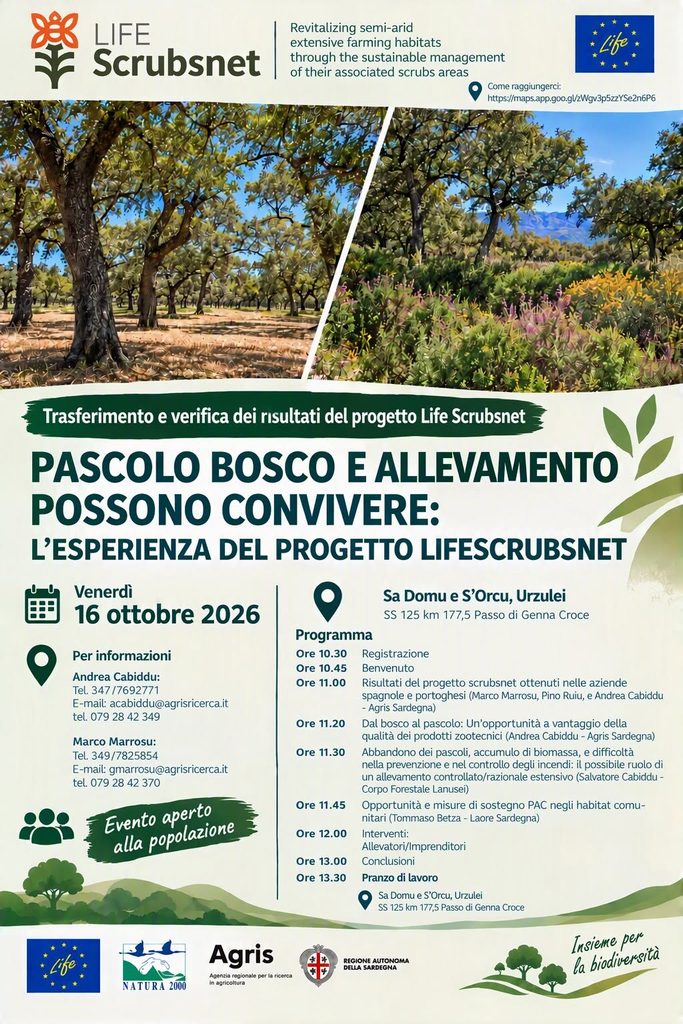


On 16 October, the town of Urzulei, in Sardinia (Italy), hosted an event dedicated to the sustainable management of Mediterranean wooded pastures, where knowledge and results from the LIFE ScrubsNet project were shared.
The event brought together livestock farmers, representatives of professional associations such as Coldiretti and COPAGRI, public authorities, the Forestry Corps and the regional agency Laore. The aim was to discuss the conservation challenges facing these ecosystems and explore the opportunities offered by appropriate management of trees, shrubs and extensive livestock farming.
The importance of balanced wooded pasture management
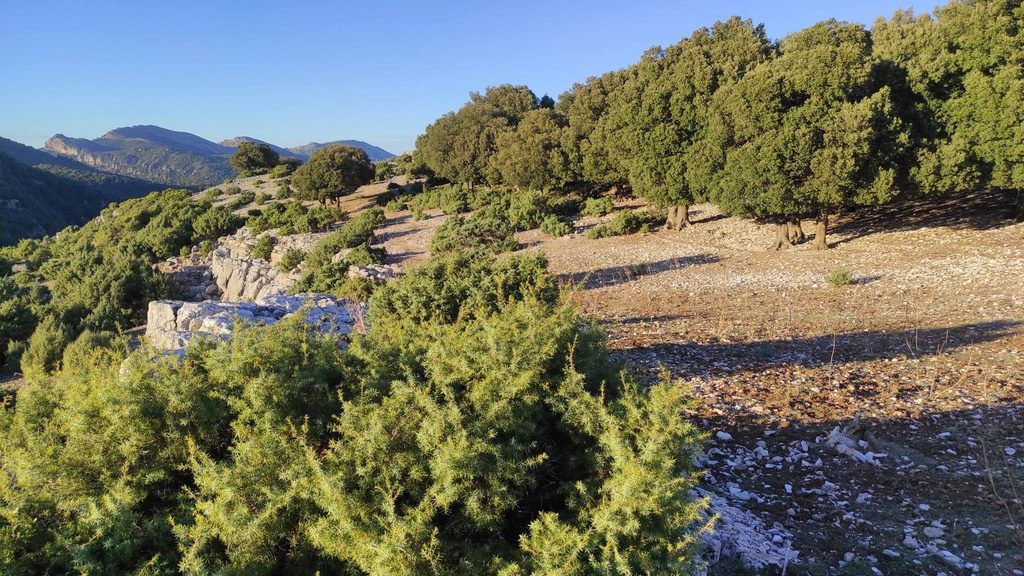
Mediterranean wooded pastures, including the dehesas and montados of the Iberian Peninsula, are ecosystems of significant ecological, productive and cultural value. However, factors such as excessive grazing pressure, certain management practices and insufficient natural tree regeneration can threaten their long-term conservation.
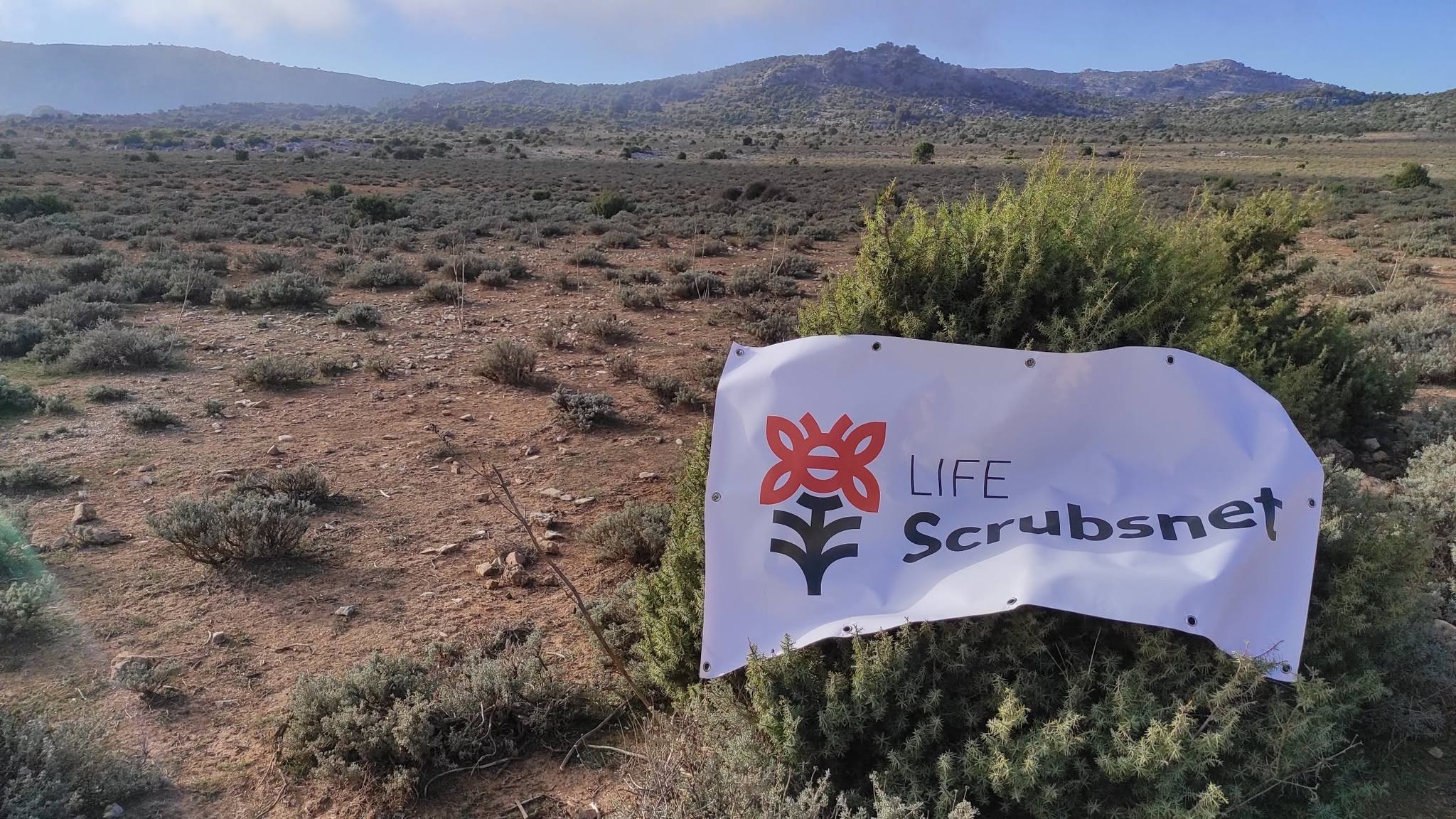
In this context, the LIFE ScrubsNet project works to improve the conservation of these habitats through sustainable management practices that reconcile livestock farming with tree regeneration, shrub conservation and biodiversity protection.
During the event, some of the project’s main results were highlighted, demonstrating the importance of integrating different management measures, such as protecting young trees, conserving valuable shrub species and adapting stocking rates to the characteristics of each area.
Extensive livestock farming, fire prevention and biodiversity
One of the main topics addressed during the event was the role of extensive livestock farming in land management and wildfire prevention.
Presentations by representatives of AGRIS and the Ogliastra Forestry Corps explored how grazing can contribute to reducing combustible vegetation biomass, highlighting the role of appropriate livestock management in helping to reduce wildfire risk.
The potential of extensive livestock farming to produce high-quality, value-added products was also emphasised. These include goat cheeses, whose nutritional and sensory qualities were discussed based on results presented by AGRIS.
The event also provided an opportunity to learn about funding mechanisms available to support conservation and productive activities in Natura 2000 sites. In this regard, representatives of Laore presented various support measures included in the Rural Development Complement of the Autonomous Region of Sardinia.
LIFE ScrubsNet: knowledge for the conservation of Mediterranean ecosystems
The participation of LIFE ScrubsNet in events of this kind helps transfer the knowledge gained through the project and encourages the exchange of experiences among researchers, public authorities, livestock farmers and other stakeholders involved in land management.
The project’s results reinforce the importance of moving towards management approaches that integrate natural tree regeneration, shrub conservation and sustainable livestock grazing.
Through these activities, LIFE ScrubsNet continues to promote solutions that contribute to improving biodiversity, resilience and sustainability in Mediterranean wooded pastures, while encouraging cooperation and the exchange of good practices between European territories.